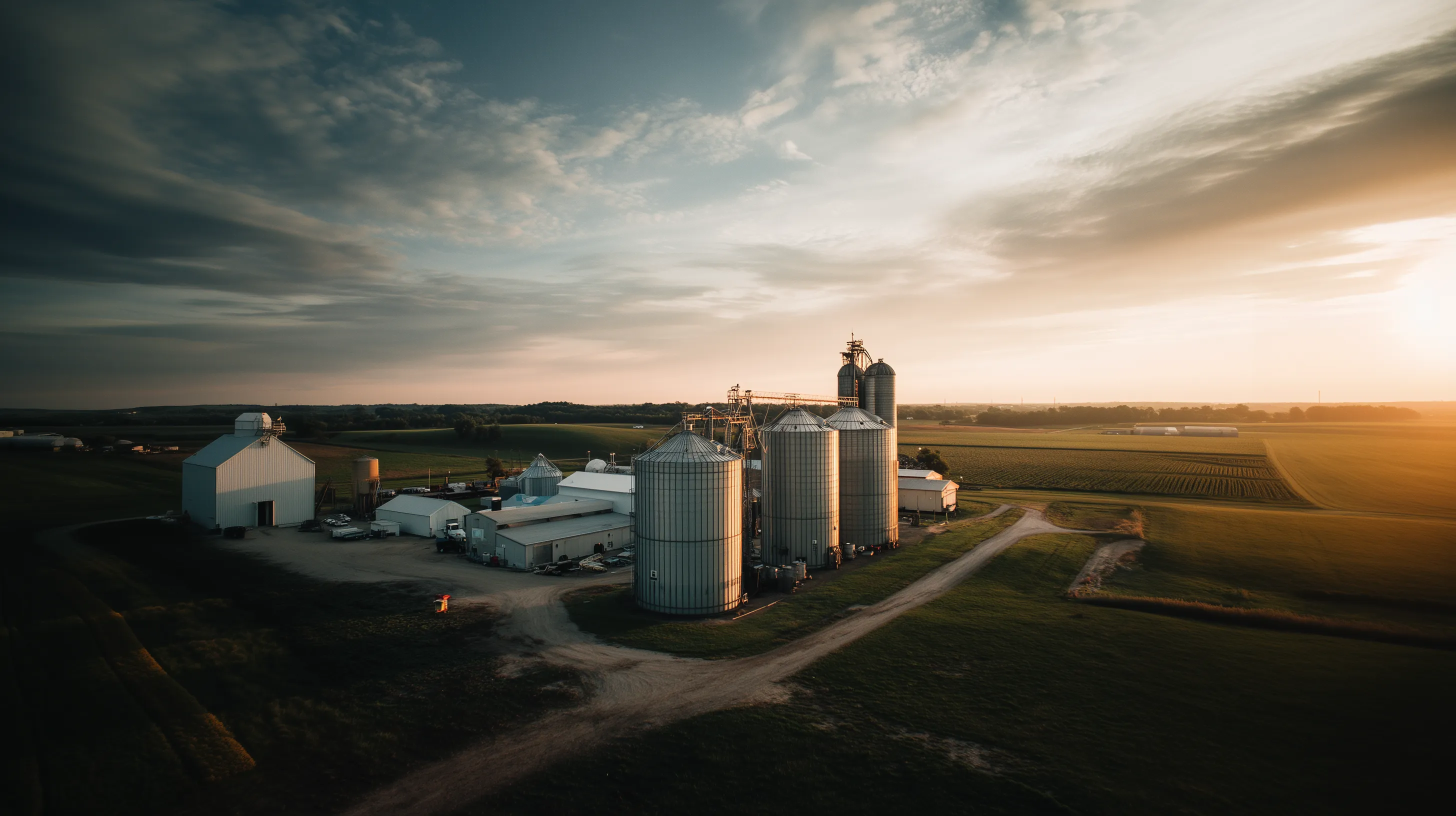
Production starts with water quality.
Water quality plays a foundational role in herd health and operation efficiency.
Benefits
DABV in the dairy water system.
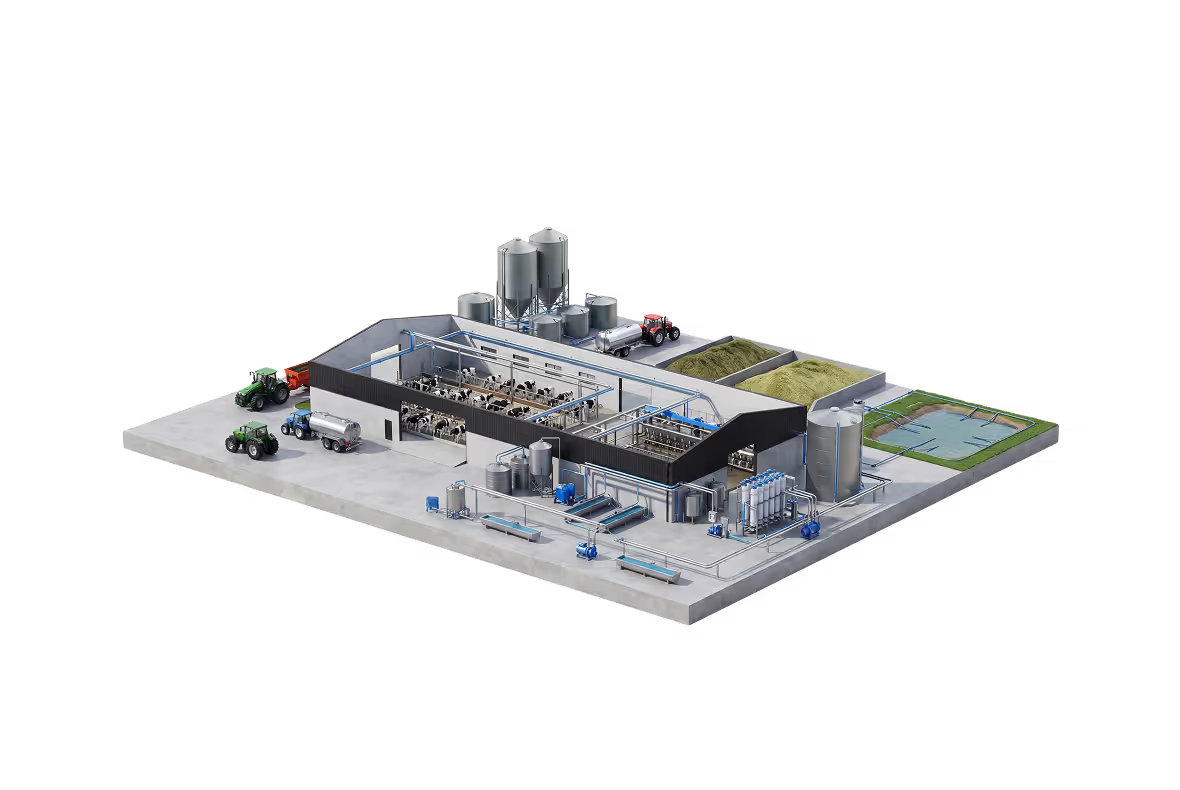
Water quality affects how the rumen microbiome converts feed nitrogen into milk protein, and how scale and biofilm accumulate in chillers, heaters and parlor lines. DABV is installed externally on each, without chemicals and without maintenance added to the existing service schedule.
Energy savings
Lower your
operating cost
Coolers, heaters and parlor lines run on the same water infrastructure across most dairies. DABV is mounted externally on the pipe surface, alongside existing filtration and chemical dosing. It operates passively, with no moving parts and no consumables.
10% – 20% average reduction in water-related energy consumption.

System Add‑On
Operates alongside
existing watersystems
DABV is mounted externally on the pipe surface. It operates passively alongside existing filtration, softening, UV disinfection and chemical dosing. The host system's existing service schedule, equipment and treatment programs are unchanged.
75% longer lifetime for technical components
for producers
External installation
on existing water lines
Coolers, heaters and parlor lines run on the same water infrastructure across most dairies. DABV is mounted externally on the pipe surface, alongside existing filtration and chemical dosing. It operates passively, with no moving parts and no consumables.
90% reduction in biofilm and pathogens (e.g., E. coli)

PASSIVE OPERATION
Continuous
passive operation
DABV operates without electricity, chemicals or consumables. Once mounted externally on the pipe surface, the device runs continuously. The host water system's existing service schedule, including filtration, chemical dosing and routine inspection, is unchanged.
30% REDUCTION IN CHEMICAL DOSING

We understand that your milk quality is only as good as your water source.
Energy costs keep rising
Untreated systems lose 15%-25% of design efficiency over fifteen years. Deposits accumulate on heat exchanger surfaces from the day a system is commissioned, and the energy penalty is continuous.
Chemicals add cost and operational overhead
Inhibitors, biocides and dispersants appear monthly in the operating budget. Around them sit SDS handling, spill containment and contractor access, all part of the compliance load.
Operational downtime is costly
Service intervals shorten as deposits accumulate. Filter loading, cleaning cycles and inspection time grow with system age.

sustainability
Support your
sustainability commitments
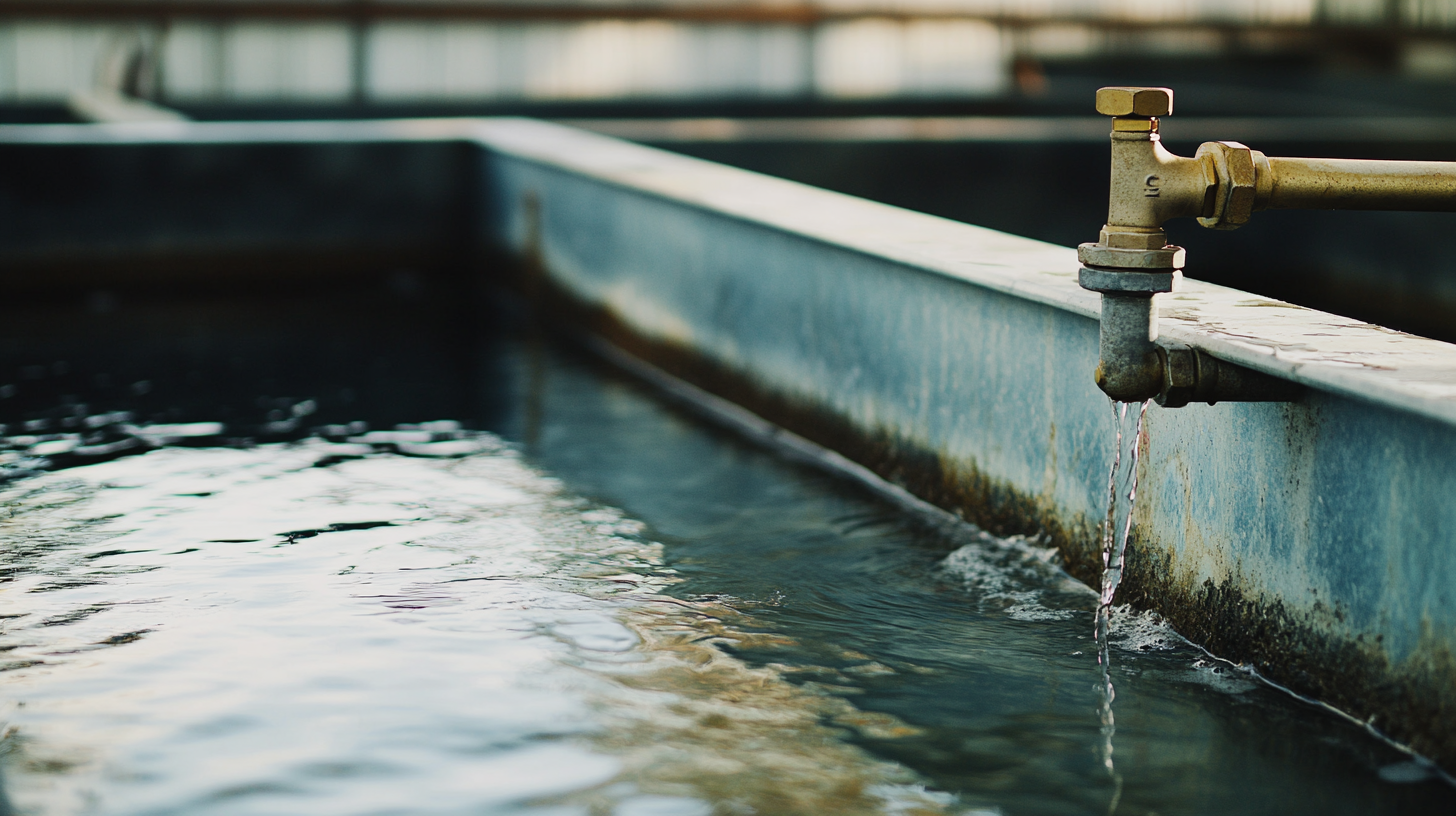
The dairy industry is committed to becoming net neutral by 2050. Water management is a critical part of that goal, using less water and eliminating chemical dependence. DABV directly supports these commitments by reducing energy consumption and chemical reliance, helping you demonstrate real progress toward sustainability standards.
DABV works within existing systems.
DABV is mounted externally on existing piping. The host system requires no retrofit, no new infrastructure and no change to operating routines. The unit operates passively from installation onward.
No power, no chemicals, no consumables.
The unit is a passive component on the supply line. It draws no power, adds nothing to the water and contains no parts that wear or expire.
External installation on existing piping.
Installation takes place on the outside surface of the existing pipe. The pipe is not cut, drained or modified. The host system continues to operate during fitting.
Passive component.
The unit is a passive component, on the same maintenance principle as a check valve or a strainer body: no moving parts, no power input, no consumables. Service intervals are set by the host system, not by the device.

NAMS and DABV teamed up to pilot a project to find out how DABV works in other enviorments
20% reduction in district heating energy consumption
-20%
90% reduction in biofilm and pathogens (e.g., E. coli)
-90%
30% reduction in chemical dosing in closed hydronic loops
-30%
Schedule a Technical Assessment.
The assessment evaluates the existing system, water chemistry and integration points.
Oops! Something went wrong while submitting the form.